Attic Mold Remediation in Pembroke Pines, FL
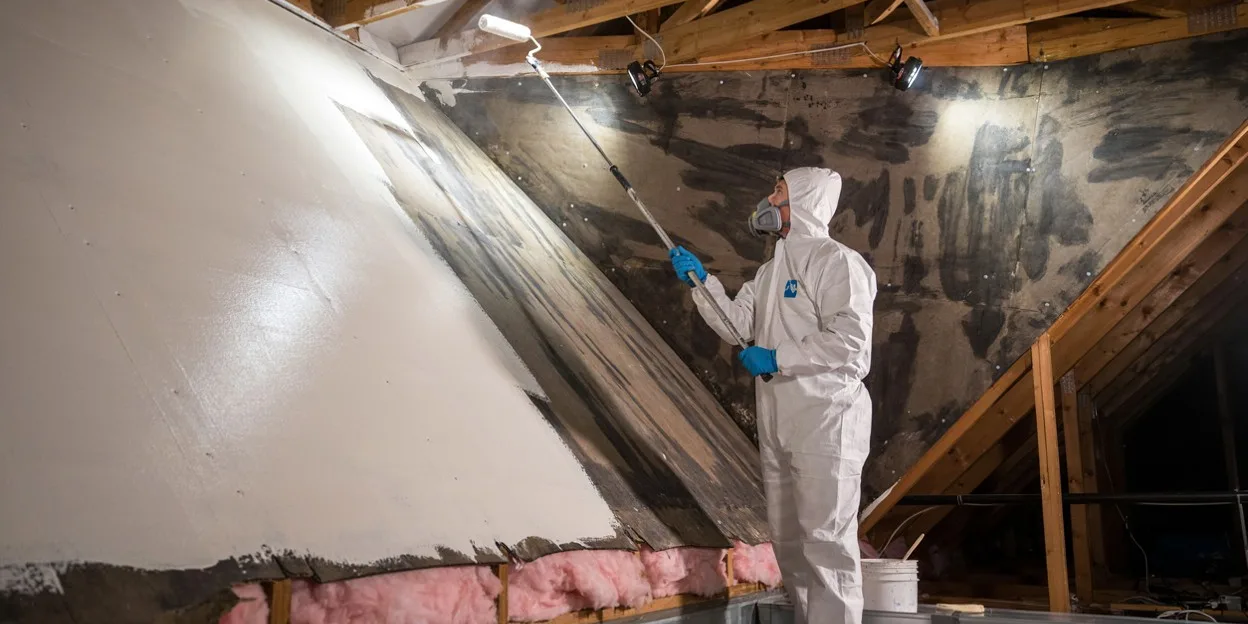
The roofer came down the ladder and said the underside of the plywood is black along the back slope, right where a couple of tiles slid last storm season. This site connects you by phone with an independent local provider who does attic mold remediation in Pembroke Pines and Broward County.
Mapping the growth on the roof deck
The crew climbs into the attic with a flashlight and a moisture meter and marks out where the growth runs across the deck. They check the roof deck for active leaks, the soffit vents for blockage from insulation or paint, and the ducts for sweating. In a Broward attic in August the air is far hotter than the cold air inside the ducts, so a duct with a torn jacket drips onto the insulation below it.
Then they sort out which of three things caused it: water coming in from above, condensation from inside, or a bathroom or dryer vent that dumps into the attic instead of outside. The fix depends on the answer, and the remediation scope is written around it.
Stay out of the attic until the crew arrives
Stay out of the attic. Walking the ceiling joists and stirring up insulation is how people get hurt and how dust ends up in the house. Close the attic hatch and do not open it again until the crew arrives.
If the roof still leaks, get a tarp on it or call a roofer first. Look at the ceilings below the bad area for stains and press a finger on them for softness. Check that the bathroom fan actually blows air outside by looking for a vent cap on the roof or the soffit.
Plywood gets cleaned, wet insulation gets bagged
Roof plywood and rafters are usually cleaned, not replaced, unless the wood is soft or rotted. The crew sets containment at the hatch, runs an air scrubber with a HEPA filter in the attic space, and HEPA vacuums the deck before cleaning it. Insulation under the growth or under a leak usually comes out and gets bagged.
Ductwork with growth on the outer jacket can sometimes be cleaned. Flex duct with growth inside is replaced. Once the wood is dry and clean, the roofer fixes the leak and the soffits get cleared so the attic can breathe again. If the growth followed the ducts down into the air handler, see HVAC mold cleaning.
Tile roofs, hurricane season, and the attic above a Broward condo
Most homes here have either a barrel tile roof over felt or a low-slope flat section over a porch or garage. Tile sheds water, but the underlayment beneath it is what keeps water out, and that layer ages. A low-slope roof holds water after a storm and finds the seams. Hurricane season runs June through November, and the 2024 season brought heavy rain to southern Broward that pushed water into attics that had been dry for years.
Florida licenses mold assessors and remediators separately under Chapter 468, Part XVI, and for areas larger than about 10 square feet the assessor and the remediator may not be the same company on the same house within 12 months. Check licenses at myfloridalicense.com. In a townhouse or condo, the roof and attic are often common elements, so the association may own this problem. Many Florida policies limit mold coverage to around $10,000 unless an endorsement adds more, and storm damage to the roof itself may fall under a different part of the policy. Replacing roof decking or re-roofing needs a permit from the City of Pembroke Pines or Broward County. Ask for the moisture readings on the roof deck before the insulation goes back, and for photos of the cleaned decking.
When you call about a black roof deck
Have the address ready, along with the type and age of the roof and whatever the roofer or inspector told you. Say whether the roof still leaks and whether any ceilings below are stained. Call (954) 519-7189.